The Right Way to Clean Car Air Vents Without Scratching Anything
Car air vents collect more dust than almost any other interior surface, because they're constantly pulling cabin air through a set of narrow plastic slats. The safe way to clean them is with a soft-bristle brush sized to fit between the slats — not a vacuum nozzle, cotton swab, or anything rigid enough to snap a slat or scratch the plastic finish.
Why Car Air Vents Get Dirty So Fast
Every time your HVAC system runs, it pulls air (and everything in it — dust, pollen, pet dander) through the vents before it reaches you. That air current also carries fine dust onto the slats themselves, where it settles into a visible gray line within a few weeks. Left alone, that buildup can also feed mold growth in the ductwork behind the vent, which is where musty smells usually come from.
Tools That Work — and Ones That Don't
- Soft artificial-bristle brush with a narrow head: flexes between slats without scratching, and reaches the full depth of each vent.
- Compressed air: good for a first pass to dislodge loose dust, but it just relocates fine particles rather than removing them.
- Cotton swabs or foam wedges: work in a pinch but shed fibers and can't cover a whole vent efficiently.
- Rigid tools, screwdrivers, or stiff-bristle brushes: avoid these — vent slats are thin plastic and crack or bend easily under pressure.
Step-by-Step: How to Clean Car Air Vents
- Run a soft brush along each slat at an angle, working from the back of the vent forward so dust falls out rather than deeper in.
- Rotate the slats (most vents allow this) to expose the opposite face and repeat.
- Follow with a quick pass of compressed air or a vacuum on low suction to pull out the loosened dust.
- Wipe the visible slat edges with a barely-damp microfiber cloth to catch anything left behind.
How Often to Repeat It
Every 2-3 weeks keeps the visible dust line from building up. If you notice a musty smell when the AC first kicks on, it's worth cleaning the vents sooner and running the AC on fan-only for a few minutes with the car parked to help dry out the ductwork.
Frequently Asked Questions
Why shouldn't I use a stiff-bristle brush on vents?
Vent slats are thin plastic and crack or bend easily under pressure from a stiff brush. A soft artificial-bristle brush flexes between slats without risking damage to the plastic finish.
Does compressed air alone clean vents effectively?
It's useful for a first pass to dislodge loose dust, but it just relocates fine particles rather than removing them entirely. Following up with a brush and a light vacuum pass gets a more complete clean.
What does a musty smell from the AC usually mean?
It often points to dust buildup feeding mold growth in the ductwork behind the vent. Cleaning the vents and running the AC on fan-only for a few minutes with the car parked helps dry out that moisture.
Can I clean vents with a damp cloth alone?
A damp cloth can catch dust on the visible slat edges, but it can't reach the full depth between slats the way a narrow brush can. Use the brush first, then finish with a barely-damp cloth for the exposed surfaces.
A dedicated car air vent cleaning brush is sized specifically for this job, and pairs well with a broader detail brush kit for seams, cupholders, and trim.
Shop Related Parts & Accessories
Finish the job with these for a streak-free interior:
- Car Air Vent Cleaning Soft Brush — sized for slat-to-slat cleaning.
- Car Cleaning Brush Kit — $11.85
- High-Absorbent Microfiber Towel — $12.84
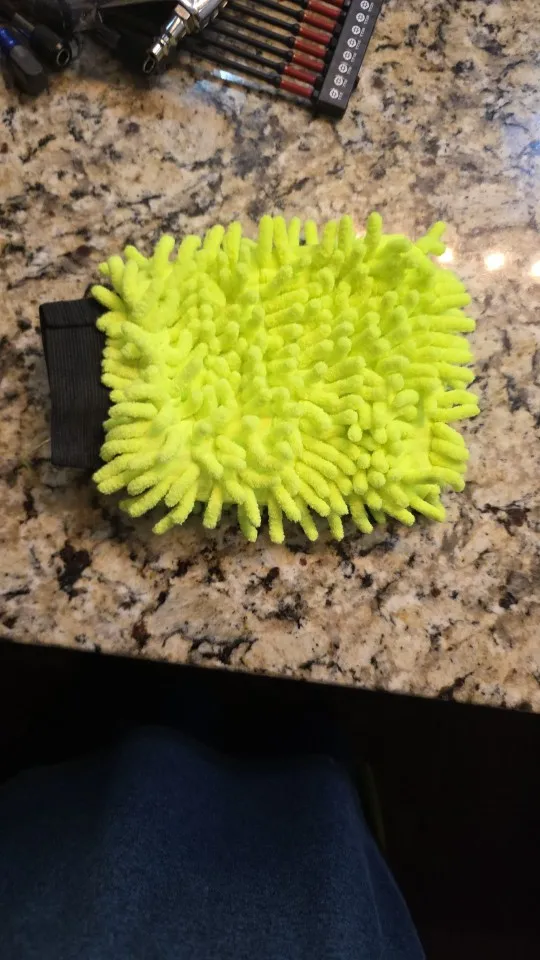
- Lint-Free Microfiber Cleaning Gloves — $11.70
- Professional Air Blow Gun — for dislodging loose dust before brushing.