
P0191 is "Fuel Rail Pressure Sensor Performance" — the engine computer doesn't believe what the fuel rail pressure sensor is telling it. On GMC Duramax trucks this is a code where the wrong first move is expensive: GM warns in its own bulletin that normal diagnostics "may be inconclusive or lead to Fuel Injection Pump replacement." On 2017–2020 trucks the documented fix is often a $79 connector, not a sensor and not a pump.
Jump to a section: What P0191 means · The two-part code form · Symptoms · Causes and how to confirm each · Affected vehicles · The contamination warranty trap · How it's diagnosed · Parts, labor and cost · Service bulletins · FAQ
What P0191 Means
GM's exact wording, taken from GM's own bulletins, is "P0191: Fuel Rail Pressure Sensor Performance" in bulletin 16-NA-102, and "P0191: Fuel Rail Pressure Sensor 1 Performance" in the newer 20-NA-197.
"Performance" is the operative word. This is not a circuit code saying the sensor is unplugged — it is a rationality code. The control module compares the pressure the sensor reports against what it commanded and against other inputs, and P0191 sets when those don't agree within tolerance. That means the fault can lie in the sensor, in the wiring that carries its signal, or in the fuel system genuinely not making the pressure it was asked for.
Those three possibilities have wildly different price tags, which is why the diagnostic order matters more on this code than on most.
The Two-Part Code Form: P0191-XX
No GM-documented sub-types were found for P0191. Every GM bulletin that names this code writes it as a bare five-character DTC with no failure type byte attached. If your scan tool shows P0191-00, that is the generic "no sub type information" value rather than a specific GM-defined fault mode.
Symptoms of P0191
What GM's bulletins actually document, quoted from their condition statements:
- Hard start
- No start
- Rough running
- Low fuel pressure
- Check engine light illuminated — on the 2017–2020 connector-corrosion path, GM documents the MIL as the only symptom
- Where engine harness chafing is the cause: no start, no crank, runs rough, stalls, reduced engine power
A truck that starts hard and runs rough with P0191 is telling you something different from a truck that drives perfectly with just a light on. The first suggests the fuel system genuinely isn't making pressure. The second points at the signal path.
Tools for fuel pressure
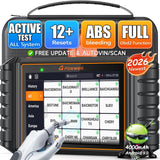 FOXWELL NT726 Bidirectional OBD2 Scanner
$368.99Compare desired vs actual fuel pressure.
FOXWELL NT726 Bidirectional OBD2 Scanner
$368.99Compare desired vs actual fuel pressure.
 FOXWELL NT614 Elite OBD2 Scanner
$233.69Compare desired vs actual fuel pressure.
FOXWELL NT614 Elite OBD2 Scanner
$233.69Compare desired vs actual fuel pressure.

Common Causes of P0191 — and How to Confirm Each One
| Cause | How to confirm it | Applies to | GM document |
|---|---|---|---|
| Corroded or damaged fuel pressure sensor connector — the cheapest fix and the most commonly missed | GM's method verbatim: inspect the connector for corrosion or damage; use the terminal test kit with dielectric grease and drag each terminal a few times; remove a suspect terminal and look for corrosion, damage, or dielectric grease turning black. If found, replace the connector | 2017–2020 Sierra 2500HD/3500HD (L5P) and 4500/5500/6500HD (L5D) | 20-NA-197 |
| Debris on Fuel Pressure Regulator 1 / high-pressure fuel system | Once the injection pump is out, remove Fuel Pressure Regulator 1 and inspect for debris that can be picked up with a magnet. Clean the area around the regulator first | 2010–2016 Sierra 2500/3500 and Savana (LML, LGH) | 16-NA-102 |
| Diesel fuel contamination | Inspect the fuel system for contamination. GM documents DEF in the regulator, rust from water, and diesel mixed with coolant, engine oil, transmission fluid, brake fluid, power steering fluid, washer fluid and gasoline. Fuel can be sent for contamination analysis | Terrain 2018–2019 (1.6 LH7), Canyon 2016–2019 (2.8 LWN), Savana, Sierra 2011–2019 (6.6 L5P/LGH/LML) | PIP5151E |
| Engine wire harness chafing | Inspect the engine harness at the ECM bracket, generator bracket and stud contact points | 2019–2023 gasoline T1 platforms | 21-NA-149 |
| Failed fuel rail pressure sensor | Only after the connector and the fuel system have been cleared | General | — |
GM's own false-positive guard is worth quoting, because it exists to stop shops billing a full fuel system job on thin evidence: "Clean the area around Pressure Regulator 1 before removal. It is possible that road debris could find its way into the regulator port when it is removed. A small piece of dirt on Pressure Regulator 1 does not qualify for the fuel system repairs recommended in this Bulletin."
Fuel pressure parts
 ACDelco Fuel Rail Pressure Sensor 12673825
$98.99Pressure sensors — confirm engine. Confirm fitment by VIN before ordering.
ACDelco Fuel Rail Pressure Sensor 12673825
$98.99Pressure sensors — confirm engine. Confirm fitment by VIN before ordering.
 ACDelco Fuel Pressure Sensor 12651990
$138.99Pressure sensors — confirm engine. Confirm fitment by VIN before ordering.
ACDelco Fuel Pressure Sensor 12651990
$138.99Pressure sensors — confirm engine. Confirm fitment by VIN before ordering.


GMC Vehicles Documented for P0191
| Vehicle | Years | Engine | Documented issue |
|---|---|---|---|
| GMC Sierra 2500HD / 3500HD | 2017–2020 | 6.6L Duramax (L5P) | Corroded fuel pressure sensor connector |
| GMC Sierra 2500/3500, Savana | 2010–2016 | 6.6L Duramax (LML, LGH) | Debris in the high-pressure fuel system |
| GMC Sierra | 2011–2019 | 6.6L (L5P / LGH / LML) | Fuel contamination |
| GMC Canyon | 2016–2019 | 2.8L Duramax (LWN) | Fuel contamination |
| GMC Terrain | 2018–2019 | 1.6L diesel (LH7) | Fuel contamination |
| GMC 4500HD / 5500HD / 6500HD | 2019–2020 | 6.6L Duramax (L5D) | Corroded fuel pressure sensor connector |
The Contamination Warranty Trap
This is the part of P0191 that costs owners the most money, and it is almost never mentioned on pages about this code.
GM's bulletin PIP5151E states directly that "any components that have failed as a result of contamination should NOT be covered by warranty," citing the New Vehicle Limited Warranty clause covering damage due to contaminated or poor quality fuel. On a Duramax, a contaminated-fuel diagnosis can convert a warranty repair into a five-figure customer-pay job covering the pump, injectors, rails, lines and tank.
Two practical consequences. First, if a dealer attributes your P0191 to fuel contamination, ask which components they inspected and what the fuel analysis showed — GM refers contaminated fuel to dedicated testing centres for analysis, so there is a documented way to establish this rather than an opinion. Second, keep fuel receipts. If contamination came from a bad batch at a station, that is a claim against the retailer, and the paperwork is the whole case.
How P0191 Is Diagnosed
Required tooling is more than a code reader. GM's procedure needs the GM terminal test kit for the connector inspection, and where the indirect fuel injector or its lines are opened, a scan tool capable of GM bidirectional diesel particulate filter regeneration enable — GDS2/MDI or a full-capability equivalent. A generic reader cannot perform that, and GM requires it any time those lines are disturbed.
- Complete the current SI diagnostics for any symptoms or codes found.
- On a 2017–2020 truck, inspect the fuel pressure sensor connector first. Use the terminal test kit with dielectric grease, drag each terminal a few times, and pull a suspect terminal to look for corrosion or grease that has turned black. This is the cheapest possible outcome and GM documents it as the cause.
- Check for engine harness chafing if the truck is a 2019–2023 gasoline platform.
- If the fuel system is genuinely suspect, inspect for contamination before disassembly — and send fuel for analysis if it looks off.
- Where the SI path has led to injection pump replacement, remove Fuel Pressure Regulator 1 with the pump out and inspect for magnetic debris. Clean around the regulator first, and remember GM's threshold: a small piece of dirt does not qualify.
- If the full fuel system repair is warranted, GM requires all chassis lines, filter pipes and engine-mounted fuel pipes not being replaced to be cleaned and flushed; the filter housing cleaned with a new filter fitted; and the tank and sender cleaned and flushed.
- Purge the indirect (hydrocarbon) injector and its lines of air any time they are removed, and perform the DPF regeneration enable.
GM attaches a Danger to this work: "Verify that there are no fuel leaks in the fuel system. Failure to identify any leaks could result in no start, stall, vehicle damage, or bodily injury." High-pressure diesel systems are not a driveway job.
Parts, Labor Time and Cost
| Repair | GM part number | Price | GM labor operation | Labor time |
|---|---|---|---|---|
| Fuel pressure sensor connector kit (2017–2020 L5P/L5D) | 19367009, plus ACDelco dielectric lubricant 12377900 (US) or 10953529 (Canada) | $79.28 MSRP | 5430860 | Published time |
| Fuel rail pressure sensor | 12686809 — fits Terrain 2018–2019 1.6L diesel, Canyon 2016–2022 2.8L diesel, Sierra 2017–2023 6.6L diesel | $301.24 MSRP / $144.07 discounted | — | — |
| Complete fuel system diagnose, clean and repair (2010–2016 LML/LGH) | Full kit per 16-NA-102: 12664429, 12661071, 12670466, 12656313, 12639312, 12639000, 97224993, 12676436, 12670460/68/69/71 plus listed gaskets and seals | Not published | 4080558 | 15.5 hr pickups · 21.0 hr vans |
Look hard at that table before authorising anything. The two documented repairs for this code sit at opposite ends of the scale: a $79 connector with a published labor operation, and a 15.5 to 21 hour complete fuel system job. GM wrote the connector bulletin precisely because the expensive path was being taken when it wasn't warranted.
Service parts
 ACDelco Fuel Injector O-Ring and Seal Kit 2173399
$120.99Seals, cleaner and connector repair. Confirm fitment by VIN before ordering.
ACDelco Fuel Injector O-Ring and Seal Kit 2173399
$120.99Seals, cleaner and connector repair. Confirm fitment by VIN before ordering.
 BG 44K Fuel System Cleaner Power Enhancer 11oz.
$24.95Seals, cleaner and connector repair.
BG 44K Fuel System Cleaner Power Enhancer 11oz.
$24.95Seals, cleaner and connector repair.
 ACDelco Wire Connectors, Replacement, 2 Pins
$90.99Seals, cleaner and connector repair. Confirm fitment by VIN before ordering.
ACDelco Wire Connectors, Replacement, 2 Pins
$90.99Seals, cleaner and connector repair. Confirm fitment by VIN before ordering.


GM Service Bulletins That Name P0191
Each verified by downloading the PDF from NHTSA and confirming the code appears in its text.
| Bulletin | Subject | GMC coverage |
|---|---|---|
| 20-NA-197 | Corrosion or damage at the fuel pressure sensor electrical connector — replace connector 19367009 | Sierra 2017–2018, Sierra 2500HD/3500HD 2019–2020 (L5P), 4500/5500/6500HD (L5D) |
| 16-NA-102 | Diagnose and clean/repair complete fuel system — debris on Fuel Pressure Regulator 1 | Savana and Sierra 2500/3500 2010–2016 (LML, LGH) |
| PIP5151E | Fuel contamination causing P0087, P0088, P0191, P128E — and the warranty consequences | Terrain 2018–2019, Canyon 2016–2019, Savana, Sierra 2011–2019 |
| 21-NA-149 | Engine wire harness chafing — various DTCs | 2019–2023 gasoline trucks and SUVs |
No NHTSA recall relates to P0191 on the models we checked, and no special coverage or warranty extension names it.
Frequently Asked Questions
Does P0191 mean my injection pump is failing?
Not on its own, and assuming so is the expensive mistake with this code. GM warns in bulletin 16-NA-102 that normal service information diagnostics "may be inconclusive or lead to Fuel Injection Pump replacement." On 2017–2020 Duramax trucks GM's documented cause is corrosion at the fuel pressure sensor connector — a $79.28 part. Rule that out before anyone opens the high-pressure system.
What is the cheapest thing to check first?
The fuel pressure sensor electrical connector. GM's method is to inspect it for corrosion or damage, use the terminal test kit with dielectric grease and drag each terminal a few times, then pull a suspect terminal and look for corrosion or dielectric grease that has turned black. Connector kit 19367009 is $79.28 with a published labor operation.
Can I drive with P0191?
Cautiously and not far. GM documents hard start, no start, rough running and low fuel pressure with this code. A diesel that is not making commanded rail pressure can leave you stranded, and running a high-pressure system with a genuine fuel delivery problem risks further damage.
Will fuel contamination be covered under warranty?
No. GM states plainly that "any components that have failed as a result of contamination should NOT be covered by warranty," citing the warranty's damage-due-to-contaminated-fuel clause. On a Duramax this can turn a warranty job into a very large customer-pay bill. Keep your fuel receipts — if a bad batch caused it, that is a claim against the station.
What does the -00 mean in P0191-00?
Nothing specific. No GM-documented failure type sub-types exist for P0191; every GM bulletin writes the code bare. A -00 is the generic "no sub type information" value.
How long does a P0191 repair take?
Anywhere from a published-time connector replacement to 15.5 hours on a pickup or 21.0 hours on a van for GM's complete fuel system diagnose, clean and repair operation. Which one you are looking at depends entirely on the diagnosis, which is why the order of investigation matters so much here.
My mechanic found a bit of dirt on the fuel pressure regulator. Does that justify a full fuel system job?
Not according to GM. The bulletin states: "A small piece of dirt on Pressure Regulator 1 does not qualify for the fuel system repairs recommended in this Bulletin." GM also tells technicians to clean around the regulator before removing it, precisely because road debris can enter the port during removal and create a false positive.
Does P0191 affect the GMC Terrain?
Yes, but only the 2018–2019 Terrain with the 1.6L diesel engine, and only in the context of fuel contamination. The gasoline Terrain is not covered by any GM bulletin naming this code.
Shop the Parts Mentioned
-
 MOTOPOWER MP69033 OBD2 Scanner — $49, confirms P0191 and shows live engine data and freeze-frame from when the fault set.
-
 VDIAGTOOL BT500 Battery Tester — $57.53, tests battery health, cranking and charging on 6V/12V/24V systems with ripple analysis and a voltage waveform — confirms the battery and charging system are healthy before you chase a sensor or circuit fault.
-
 ACDelco Gold Negative Battery Cable — addresses related wiring and connection issues.
-
 95-Piece Mechanics Tool Set (Metric & SAE) — for fuel rail sensor access.
-
 3-In-1 Cordless Impact Wrench & Screwdriver Kit — speeds up fuel system component access.