
"Lemon" gets used for anything from a genuinely defective vehicle to a door handle that wore out at 90,000 miles. The difference matters, because one has real legal remedies with deadlines attached and the other is ordinary ownership.
This is general information, not legal advice. Lemon laws are state law, and they differ substantially in what they cover, how many repair attempts count, how long you have to act, and whether used and leased vehicles are included. Nothing here is a substitute for advice from an attorney licensed in your state, and we are a parts retailer rather than a law firm.
What Actually Makes a Vehicle a Lemon
Most state lemon laws share a common structure. They apply to a substantial defect that impairs the vehicle's use, value or safety; that appeared within a defined window, often the first year or two of ownership or the first 12,000–24,000 miles; and that the manufacturer has been unable to fix after a reasonable number of attempts.
All three parts matter. A serious defect discovered outside the window may fall outside the statute. A minor annoyance repaired ten times usually is not "substantial." And a substantial defect fixed correctly on the first attempt is simply warranty work functioning as intended.
The Numbers That Usually Matter
Many states use a version of a three-strikes rule — the same defect repaired three or four times without success — or a cumulative out-of-service rule, where the vehicle has been in the shop for the same or related issues for 30 or more cumulative days within the warranty period. Several states apply faster criteria to defects that could cause serious injury, such as brakes or steering.
These thresholds vary enough between states that a claim which is strong in one may not exist in another. Look up your own state's statute rather than working from a general figure.
Document Everything, From Day One
A lemon law claim lives or dies on the paper trail. Keep every repair order, every date the vehicle was in the shop, every description of the symptom in your own words, and every written exchange with the dealer or manufacturer.
The single most useful habit: get a repair order every visit, even when the dealer finds nothing. A "no trouble found" visit is still a documented repair attempt in many states, and it is exactly the visit owners tend to leave without paperwork. If the symptom is intermittent, describe what you experienced rather than accepting a summary that says the vehicle operated as designed.
Photograph or note the mileage at each visit too. Both the count of attempts and the dates can matter.
Document the problem
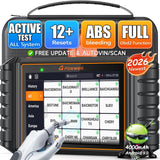 FOXWELL NT726 Bidirectional OBD2 Scanner
$368.99Scanners that save code and freeze-frame data for your records.
FOXWELL NT726 Bidirectional OBD2 Scanner
$368.99Scanners that save code and freeze-frame data for your records.
 FOXWELL NT624 Elite OBD2 Scanner, All-System Scan Tool
$332.09Scanners that save code and freeze-frame data for your records.
FOXWELL NT624 Elite OBD2 Scanner, All-System Scan Tool
$332.09Scanners that save code and freeze-frame data for your records.
 FOXWELL NT614 Elite OBD2 Scanner
$233.69Scanners that save code and freeze-frame data for your records.
FOXWELL NT614 Elite OBD2 Scanner
$233.69Scanners that save code and freeze-frame data for your records.
 Launch CRE 2.0 for Buick/Chevrolet/Cadillac All System
$159.00Scanners that save code and freeze-frame data for your records.
Launch CRE 2.0 for Buick/Chevrolet/Cadillac All System
$159.00Scanners that save code and freeze-frame data for your records.


Manufacturer Arbitration
Many manufacturers run dispute resolution or arbitration programmes, and some states require you to go through one before filing suit if the manufacturer participates and the programme meets certain standards. Others treat it as optional. Whether the outcome binds you, binds the manufacturer, or binds neither also varies.
This is worth checking early, because entering or skipping arbitration at the wrong point can affect your options later. It is a good question for a first consultation.
The Federal Backstop
Alongside state lemon laws, the federal Magnuson-Moss Warranty Act governs consumer product warranties nationally and is sometimes used for vehicle claims that fall outside a state statute — including, in some circumstances, used vehicles still under warranty. It works differently from a state lemon law and is not a substitute for one. It is simply another avenue an attorney may consider.
Battery and charging checks
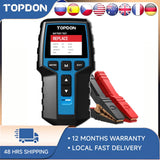 TOPDON BT200 12V Car Battery Tester Digital Automotive
$103.99Rule out a weak battery before blaming the vehicle.
TOPDON BT200 12V Car Battery Tester Digital Automotive
$103.99Rule out a weak battery before blaming the vehicle.
 FOXWELL BT705 Car Battery Tester 24V 12V, Alternator and Load
$159.89Rule out a weak battery before blaming the vehicle.
FOXWELL BT705 Car Battery Tester 24V 12V, Alternator and Load
$159.89Rule out a weak battery before blaming the vehicle.
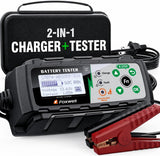 FOXWELL BC521 2-in-1 Battery Charger & Tester, Test Before
$162.35Rule out a weak battery before blaming the vehicle.
FOXWELL BC521 2-in-1 Battery Charger & Tester, Test Before
$162.35Rule out a weak battery before blaming the vehicle.
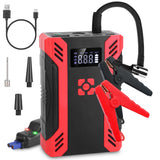 Car Jump Starter with Air Compressor Portable Car Battery
$177.99Rule out a weak battery before blaming the vehicle.
Car Jump Starter with Air Compressor Portable Car Battery
$177.99Rule out a weak battery before blaming the vehicle.

What Lemon Law Is Not
Three things get confused with it regularly, and none are the same:
- A recall is a manufacturer-initiated safety campaign. The repair is free regardless of age or mileage, but a recall existing does not by itself make your vehicle a lemon.
- A Special Coverage or Customer Satisfaction Program extends warranty on a known-problem component, sometimes for many years. These do not appear in a NHTSA VIN lookup, so owners often pay for repairs GM would have covered. Ask a dealer to check Investigate Vehicle History against your VIN.
- Ordinary wear — trim rattles, weatherstripping, a failed door handle actuator at high mileage — is maintenance, not a defect claim.
Our guide to checking GM recalls by VIN covers the first two, and they are worth checking before assuming you have no remedy — a Special Coverage may solve the problem at no cost.
When to Talk to an Attorney
Consider a consultation if you have a recurring safety-related issue such as brakes, steering, airbags or stalling; multiple unsuccessful repair attempts for the same defect; or a manufacturer that has stopped responding.
Do not let cost stop you from asking. Lemon law attorneys commonly work on contingency, initial consultations are frequently free, and many state statutes provide for the manufacturer to pay attorney fees on a successful claim. Talk to one before concluding that pursuing it is not worth it — that is a judgement to make with information, not without.
Act promptly. Every state statute has time and mileage limits, and a strong claim can expire simply because the owner waited.
Frequently Asked Questions
What qualifies a vehicle as a lemon?
Generally a substantial defect impairing use, value or safety, appearing within a defined window — often the first year or two, or 12,000–24,000 miles — that the manufacturer cannot fix after a reasonable number of attempts. All three elements usually need to be present, and the specifics are set by your state's statute.
How many repair attempts does it take?
Many states use a three- or four-attempt rule for the same defect, or a cumulative 30-days-out-of-service rule, with faster thresholds for defects that could cause serious injury. The exact numbers differ enough between states that a general figure is not reliable.
Does a "no trouble found" visit count?
In many states, yes — which is why it matters to get a repair order for every visit, including the ones where the dealer finds nothing. That is the visit owners most often leave without paperwork, and it can be the one that completes the count.
Does a recall mean my car is a lemon?
No. A recall is a manufacturer-initiated safety campaign, repaired free regardless of age or mileage. It is a separate thing from a lemon law claim, though a defect involved in one may also be relevant to the other.
Are used or leased vehicles covered?
It depends on the state. Some lemon laws cover used vehicles under warranty and some cover leases; others do not. The federal Magnuson-Moss Warranty Act is sometimes used for claims outside a state statute, including some used-vehicle situations.
Do I have to go through the manufacturer's arbitration first?
Sometimes. Certain states require it before filing suit where the manufacturer runs a qualifying programme; others treat it as optional. Whether the result binds you, the manufacturer, or neither also varies — worth clarifying early, because the timing can affect your options.
What is Magnuson-Moss?
A federal statute governing consumer product warranties, sometimes used for vehicle claims falling outside a state lemon law. It works differently and is not a replacement for a state claim, but it is another route an attorney may consider.
What should I document?
Every repair order, every date in the shop, the mileage at each visit, your own description of the symptom, and all written communication with dealer and manufacturer. Keep your own copies rather than relying on the service department's records.
Can I afford a lemon law attorney?
Frequently the answer is yes even if money is tight. Many work on contingency, initial consultations are often free, and many state statutes provide for the manufacturer to pay attorney fees on a successful claim. Ask before assuming it is out of reach.
How long do I have to act?
Every state statute imposes time and mileage limits, and they vary. Claims do expire simply because the owner waited, so if you think you may have one, get advice sooner rather than later.
Basic tools
 FOXWELL NT301 OBD2 Scanner Live Data Professional Mechanic
$68.82Basic tools for your own checks.
FOXWELL NT301 OBD2 Scanner Live Data Professional Mechanic
$68.82Basic tools for your own checks.
 95 Piece Mechanics Tool Set in Metric and SAE for Small
$99.99Basic tools for your own checks.
95 Piece Mechanics Tool Set in Metric and SAE for Small
$99.99Basic tools for your own checks.
 ACDelco Tools Torque Wrenches, Digital LCD Display, 1/2 in.
$162.99Basic tools for your own checks.
ACDelco Tools Torque Wrenches, Digital LCD Display, 1/2 in.
$162.99Basic tools for your own checks.
 ACDelco Tools Torque Wrenches, Digital LCD Display, 3/8 in.
$249.99Basic tools for your own checks.
ACDelco Tools Torque Wrenches, Digital LCD Display, 3/8 in.
$249.99Basic tools for your own checks.


A Note on Sourcing
This page describes common structural features of state lemon laws rather than the law of any particular state, because those statutes differ in nearly every element that matters — covered vehicles, attempt thresholds, time limits and arbitration requirements. Figures such as three or four attempts and 30 cumulative days are given as widely used patterns, not as your state's rule.
We deliberately do not tell you whether your vehicle qualifies. That determination depends on your statute, your documentation and facts we cannot see, and it is what a consultation is for.
An earlier version of this page suggested that fixing a problem yourself was usually cheaper than pursuing a claim. That was removed. It sat oddly beside the page's own accurate point that consultations are frequently free and that many statutes shift attorney fees to the manufacturer, and it is not our place to discourage someone with a potentially valid safety claim from getting advice. We sell parts; that gives us an interest in the self-repair answer, and this is not a page where that interest belongs.