
The Check Engine Light is the most misunderstood warning on any GM or Chevrolet dashboard. It can mean something as trivial as a loose gas cap — or something as serious as a failing catalytic converter. The only way to know is to read the code.
This guide covers the most common OBD-II diagnostic trouble codes on GM and Chevrolet vehicles, what they mean in plain English, how serious each one is, and what it typically costs to fix.
Safety correction — B0085 is an airbag code, and this page previously said to clear it.
An earlier version of this page listed B0085 among "Body/Network Communication Codes," rated it low severity, and advised clearing it after checking the battery.
B0085 is a Supplemental Restraint System code. On GM vehicles it indicates the Left Front Side Impact Sensor, and when it sets, the affected airbag or seat belt pretensioner is disabled. Clearing it does not fix anything — it removes the warning that a restraint will not deploy in a crash, and erases the stored data a technician needs.
If you have a B0085 or any B-code with the airbag light on, do not clear it. Get it diagnosed. Correct guidance is below, in its own section.
First: How to Read GM Check Engine Light Codes
Most auto parts stores will scan codes for free. A basic OBD-II scanner costs $25–$50 and plugs into the port under the dash on the driver's side.
An important limitation of cheap scanners. Basic readers show P-codes — powertrain faults — only. They generally cannot read:
- B-codes (body, including airbag and restraint systems)
- C-codes (chassis, including ABS and StabiliTrak)
- U-codes (network and module communication)
This is why a free parts-store scan sometimes reports "no codes" on a vehicle with an obvious warning light. If your airbag, ABS or StabiliTrak light is on, you need a tool that reads those modules — the check engine light and those systems are separate.
Scan tools
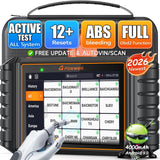 FOXWELL NT726 Bidirectional OBD2 Scanner
$368.99Read codes and freeze-frame data.
FOXWELL NT726 Bidirectional OBD2 Scanner
$368.99Read codes and freeze-frame data.
 FOXWELL NT614 Elite OBD2 Scanner
$233.69Read codes and freeze-frame data.
FOXWELL NT614 Elite OBD2 Scanner
$233.69Read codes and freeze-frame data.
 FOXWELL NT604 OBD2 Scanner
$209.09Read codes and freeze-frame data.
FOXWELL NT604 OBD2 Scanner
$209.09Read codes and freeze-frame data.


The Most Common GM Check Engine Light Codes
P0300 — Random/Multiple Cylinder Misfire
What it means: one or more cylinders are misfiring and the module cannot isolate which.
Common causes: worn spark plugs, failing ignition coils, dirty injectors, vacuum leak, low compression.
How serious: high. Misfires damage catalytic converters quickly. If the light is flashing, stop driving.
Full guide: P0300 Code · Engine Misfire Guide
P0301–P0308 — Cylinder-Specific Misfire
What it means: a misfire on a named cylinder — P0301 is cylinder 1, P0302 cylinder 2, and so on.
The test that saves money: swap the ignition coil with an adjacent cylinder and clear the code. If the misfire moves to the other cylinder, the coil is at fault. If it stays put, look at the plug and injector. That costs nothing and prevents replacing the wrong part.
P0171 / P0174 — System Too Lean (Bank 1 / Bank 2)
What it means: too much air or not enough fuel. Common on GM V8s.
Common causes: dirty or failing mass air flow sensor, vacuum leak, weak fuel pump, faulty oxygen sensor.
Cheap first step: clean the MAF sensor with MAF-specific cleaner. Use only cleaner made for the job — the sensing element is fragile and carburettor or brake cleaner will destroy it.
Full guide: P0171 Code
P0420 / P0430 — Catalyst System Efficiency Below Threshold
What it means: the catalytic converter is not converting efficiently enough, on bank 1 or bank 2.
Before you spend four figures: rule out a failing downstream oxygen sensor, which mimics this code. A converter is one of the most expensive parts on the car to replace unnecessarily.
P0455 / P0442 / P0440 — EVAP System Leak
What it means: a leak in the system that captures fuel vapour.
- P0455 — large leak, very often a loose, missing or failed fuel cap
- P0442 — small leak, such as a cracked hose or a failing purge valve
- P0440 — general EVAP system fault
First step: tighten the fuel cap properly and drive for a few days. If the code clears itself, that was it.
P0128 — Coolant Temperature Below Thermostat Regulating Temperature
What it means: the engine is not reaching normal operating temperature, almost always a thermostat stuck open.
Why it matters: worse fuel economy, poor cabin heat, and an engine spending too long below its designed operating temperature.
P0507 — Idle Control System RPM Higher Than Expected
Common causes: dirty throttle body, vacuum leak.
DIY fix: cleaning the throttle body resolves this often and costs very little. Note that some GM vehicles require an idle relearn afterwards.
P0008 / P0009 — Engine Position System Performance
What it means: crankshaft-to-camshaft timing correlation is out of specification.
Take this one seriously. Causes include a stretched timing chain, a failing cam phaser, or low oil pressure. On AFM and DFM engines it can accompany the lifter problems covered in our AFM/DFM guide.
P0010 / P0011 / P0013 / P0014 — Camshaft Position / VVT
What it means: the variable valve timing system is not responding as commanded. Common on GM V8s with age.
Frequent cause: a clogged oil control solenoid — and what clogs it is dirty oil. This is one of the clearest examples of oil change intervals showing up as a fault code years later.
P0521 / P0523 — Engine Oil Pressure Sensor
What it means: the oil pressure reading is out of range — which could be a bad sensor, or could be genuinely low oil pressure.
Do not assume it is the sensor. Check the oil level, then have actual pressure measured with a mechanical gauge before replacing anything. Running an engine with real low oil pressure destroys it.
P1682 — Ignition 1 Switch Circuit 2 Malfunction
A GM-specific electrical code associated with intermittent no-start complaints. See our no-start guide.
P0741 — Torque Converter Clutch Circuit Performance or Stuck Off
One of the most common transmission codes on GM vehicles. Often accompanies the shudder discussed in our transmission guide, where fluid rather than hardware is frequently the cause.
Common fixes
 GM Genuine Parts 12690512 Vapor Canister Purge Valve
$41.78EVAP, O2 and ignition parts. Confirm engine. Confirm fitment by VIN before ordering.
GM Genuine Parts 12690512 Vapor Canister Purge Valve
$41.78EVAP, O2 and ignition parts. Confirm engine. Confirm fitment by VIN before ordering.
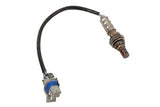 ACDelco Oxygen Sensor, 4-wire 2134230
$126.99EVAP, O2 and ignition parts. Confirm engine. Confirm fitment by VIN before ordering.
ACDelco Oxygen Sensor, 4-wire 2134230
$126.99EVAP, O2 and ignition parts. Confirm engine. Confirm fitment by VIN before ordering.
 ACDelco 41-114 Iridium Spark Plugs 12622441, GM OE, Qty 8
$109.99EVAP, O2 and ignition parts. Confirm engine. Confirm fitment by VIN before ordering.
ACDelco 41-114 Iridium Spark Plugs 12622441, GM OE, Qty 8
$109.99EVAP, O2 and ignition parts. Confirm engine. Confirm fitment by VIN before ordering.
 IWOKPHD Ignition Coil 12654078
$43.58EVAP, O2 and ignition parts. Confirm engine. Confirm fitment by VIN before ordering.
IWOKPHD Ignition Coil 12654078
$43.58EVAP, O2 and ignition parts. Confirm engine. Confirm fitment by VIN before ordering.


B-Codes and the Airbag System — Read This Before Clearing Anything
B-codes are body codes, and a large number of them belong to the Supplemental Restraint System — the airbags. They are not check engine light codes, they illuminate the airbag warning light instead, and they must be treated differently.
B0085 on a GM vehicle indicates the Left Front Side Impact Sensor. When it sets, the module disables the affected airbag or pretensioner. The vehicle drives normally and nothing feels wrong — which is exactly why it gets ignored.
Two things follow from that:
Do not clear it. Clearing an SRS code removes the warning without repairing the restraint, and destroys the stored fault data needed to diagnose it. It will also fail a state safety inspection where airbag checks apply.
Do not assume the sensor has failed. On GM vehicles, B0085 and its neighbours are frequently caused by broken wiring rather than a bad sensor — most commonly conductors fatigued in the driver's door jamb harness, which flexes every time the door opens, and seat position sensor wiring under the front seats. Circuit continuity should be tested before anyone orders a sensor.
Sub-codes matter. B0085 usually arrives with a two-digit suffix that distinguishes an open circuit from a short or an internal failure, and that suffix points to the actual fault.
Check for open recalls too. GM has recalled certain vehicles for corrosion in side impact airbag connectors, so a VIN check is worth doing before paying for anything.
U-codes are a different thing entirely
U-codes indicate module communication faults on the vehicle network. Those genuinely can be triggered by a weak battery or a recent battery disconnection, and may not return once the electrical supply is sound. Grouping them with airbag B-codes, as this page previously did, was the error — the advice that is reasonable for a U-code is unsafe for a restraint code.
Battery and wiring
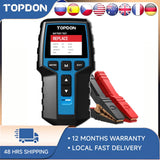 TOPDON BT200 12V Car Battery Tester Digital Automotive
$103.99Low voltage sets B and U codes.
TOPDON BT200 12V Car Battery Tester Digital Automotive
$103.99Low voltage sets B and U codes.
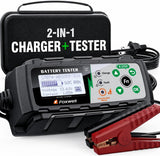 FOXWELL BC521 Battery Charger & Tester
$162.35Low voltage sets B and U codes.
FOXWELL BC521 Battery Charger & Tester
$162.35Low voltage sets B and U codes.
 ACDelco Wire Connectors, Replacement, 2 Pins
$90.99Low voltage sets B and U codes.
ACDelco Wire Connectors, Replacement, 2 Pins
$90.99Low voltage sets B and U codes.

How Serious Is It?
| Severity | What it looks like | Action |
|---|---|---|
| Low | Light on, drives normally, EVAP or minor sensor code | Get it scanned soon; not urgent |
| Medium | Light on, slight change in running — lean code, MAF, oxygen sensor | Address within a week or two |
| High | Flashing light, misfire, rough running, oil pressure code | Stop driving — diagnose immediately |
| Safety | Airbag light with a B-code — vehicle may drive perfectly | Diagnose promptly. Do not clear the code. A restraint is disabled |
A flashing check engine light means a misfire severe enough to damage the catalytic converter is happening right now. Pull over when safe.
The airbag row is the one people underestimate, because unlike a misfire there is no symptom at all until a crash.
Frequently Asked Questions
What does code B0085 mean on a Chevrolet or GMC?
It is a Supplemental Restraint System code indicating the Left Front Side Impact Sensor, and it means the affected airbag or seat belt pretensioner is disabled. The vehicle will drive normally, which is why it gets ignored. It is not a network or body communication code, and it should not be cleared — an earlier version of this page said to clear it, which was wrong.
Should I clear an airbag code myself?
No. Clearing an SRS code removes the warning light without repairing the restraint, and erases the stored fault data a technician needs to find the problem. The airbag stays disabled. It will also fail a safety inspection where airbag checks apply.
Why does my scanner say no codes when a warning light is on?
Because most inexpensive OBD-II readers show only powertrain P-codes. Airbag faults are B-codes, ABS and StabiliTrak faults are C-codes, and module communication faults are U-codes. A basic scanner cannot see any of those, so it reports a clean scan on a vehicle with an obvious fault. You need a tool that reads the other modules.
Does B0085 mean I need a new impact sensor?
Often not. On GM vehicles this code is frequently caused by broken wiring rather than a failed sensor — commonly conductors fatigued in the driver's door jamb harness, which flexes every time the door opens, or seat position sensor wiring under the front seats. Circuit continuity should be tested before a sensor is ordered, and it is worth checking whether any airbag connector recall applies to your VIN.
What does a flashing check engine light mean?
An active misfire severe enough to damage the catalytic converter. That is different from a steady light. Pull over when it is safe to do so rather than continuing to drive, because raw fuel reaching a hot converter can destroy it in minutes.
Can I just replace the catalytic converter for a P0420?
You can, but rule out a failing downstream oxygen sensor first. A bad sensor produces the same code, and the difference in cost between the two repairs is substantial. Diagnosing before buying is the whole point on this particular code.
My check engine light came on after refuelling. Is that a coincidence?
Probably not. A fuel cap that is loose, cross-threaded or has a worn seal sets an EVAP code, most often P0455 for a large leak. Tighten it properly and drive for a few days — if it was the cap, the code clears itself once the system passes its self-test.
Is it safe to drive with the check engine light on?
It depends entirely on the code, which is why scanning first matters. A steady light with an EVAP code is not urgent. A flashing light with a misfire means stop. An oil pressure code means stop until you have confirmed the pressure is genuinely fine. And an airbag light is a safety issue even though the vehicle drives perfectly.
A Note on Sourcing
The B0085 correction is corroborated across multiple independent technical sources, which identify it as a GM Supplemental Restraint System code for the Left Front Side Impact Sensor, note that it disables the affected restraint, and report broken door jamb harness wiring as a frequent cause. We have not read a GM service document directly for this code.
What changed in this revision: B0085 was listed as a low-severity "Body/Network Communication" code with advice to clear it. It is a restraint system code, the advice to clear it has been removed, and B-codes now have their own section separate from U-codes. A safety row has been added to the severity table.
The scanner limitation was added because it explains a common and frustrating situation — a warning light with no codes found — that the page did not previously address.
The code definitions are standard OBD-II and GM-specific definitions. The diagnostic tips, severity ratings and cost implications are ours, based on service experience.
Codes narrow the problem down; they do not name the broken part. A code identifies a circuit or a condition, not a component to buy — which is why the money-saving advice on this page is consistently to test before replacing.
Related GM Service Guides
- P0300 — Random/Multiple Cylinder Misfire
- P0171 — System Too Lean, Bank 1
- P0420 — Catalyst Efficiency, Bank 1
- P0430 — Catalyst Efficiency, Bank 2
- P0521 — Oil Pressure Sensor Range/Performance
- P06DD — Oil Pressure Control Solenoid Stuck Off
- P0014 — Camshaft Timing Over-Advanced, Bank 1
- P1011 — Intake Camshaft Actuator Park Position
- P1682 — Ignition 1 Switch Circuit 2 Malfunction
- P0741 — Torque Converter Clutch Performance
Related repair and diagnostic guides:
- GM AFM/DFM Lifter Failure
- GM Transmission Problems
- Service StabiliTrak Light On?
- Chevy Silverado Won't Start
- Engine Misfire Guide
- Best Oil for Chevrolet Silverado 5.3L
Shop Related Parts & Accessories
Diagnose before you buy. A code narrows the fault to a circuit, not a part — these are common fixes once a diagnosis points at them, not things to fit speculatively.
-
 Crankshaft Position Sensor (GM) — $35.05. For confirmed P0335 or P0336 faults; check fitment against your engine.
-
 AFM/DFM Disabler Device (GM V6/V8) — $55.76. Prevention against lifter wear, not a fix for existing damage.
-
 ACDelco dexos1 5W-30 Full Synthetic Motor Oil (1 qt) — $15.99. Clean oil at the right spec prevents the VVT solenoid clogging behind P0010–P0014 codes. Check your viscosity — many GM V8s take 0W-20.